
- Germany, Belgium, and the Netherlands are the three most practical source markets, each with established vehicle export infrastructure.
- For intra-EU purchases from a VAT-registered dealer, the sale is zero-rated in the source country; you declare and pay VAT at home on registration.
- An independent pre-purchase inspection (€80–150) is the best money spent on any vehicle above €10,000 sourced remotely.
- Auction depots typically require collection within 5–10 working days. Coordinate your transport booking at the same time as your bid.
- CMR liability is capped at 8.33 SDR per kg, not the vehicle's market value. Ask about supplemental cargo insurance for high-value vehicles.
The EU single market makes cross-border vehicle purchasing legal and straightforward in principle. In practice, three things consistently trip people up: verifying the vehicle remotely before buying, understanding the VAT situation for intra-EU transactions, and getting the logistics chain right from purchase through to delivery. This guide covers all three, whether you're a dealer sourcing stock from the German auction market, a fleet manager consolidating vehicles from multiple markets, or a business acquiring specific models unavailable locally.
Where to Source Vehicles in Europe
The choice of source market affects not just vehicle availability and pricing, but your logistics options: collection windows, depot infrastructure, and load consolidation possibilities.
- Germany is the largest used vehicle market in Europe, with the highest transaction volumes and the most established auction infrastructure. BCA Germany, Deutsche Auktionen, and Autorola are the main platforms. Documentation standards are high. Auction buyers typically have 5–10 working days to arrange collection from the depot, so coordinate your transport booking at the same time as your bid, not after.
- Belgium and the Netherlands represent a strong fleet disposal market, particularly for ex-lease company vehicles. Average mileage on Belgian and Dutch ex-fleet stock tends to be lower than comparable German vehicles at the same price point. Rotterdam and Antwerp are natural staging points if you're consolidating multi-vehicle loads.
- Sweden offers clean vehicle stock with lower rust incidence than most Western European markets. RORO ferry connections from Gothenburg and Stockholm make vehicle transport straightforward on the Baltic corridor.
Verifying a Vehicle Before Buying Remotely
Buying a vehicle you haven't physically inspected is the most common source of problems in cross-border purchasing. The two-step verification process that reduces risk: a VIN history check before bidding, and an independent in-person inspection before payment.
VIN history check services such as carVertical, AutoDNA, and the national registries of the source country reveal whether a vehicle has been in an accident, has outstanding finance, is registered as stolen, or has been registered in multiple countries. These checks cost €10–30 and should be standard practice on any vehicle above €5,000.
An independent pre-purchase inspection, conducted by ADAC in Germany or independent inspection companies in Belgium and the Netherlands, typically costs €80–150 and involves a physical examination including a test drive. For any vehicle above €10,000, this is the best money you'll spend. The most common problem it surfaces is vehicles with clean VINs but structural damage from accidents repaired privately.
VAT for Intra-EU Vehicle Purchases
The intra-EU rule: if you are a VAT-registered business buying from a VAT-registered dealer in another EU member state, the transaction is zero-rated (0% VAT) in the source country. You then declare the purchase in your home country and pay VAT at your domestic rate when you register the vehicle. This applies consistently between all EU member states.
Buying from a private seller: no VAT adjustment. Private sellers don't charge VAT, and there's no acquisition VAT to declare. The trade-off is no warranty under EU consumer law and no recourse if the vehicle was misrepresented.
Key documents required: original vehicle title (Fahrzeugbrief in Germany, Carte Grise in France, Kentekenbewijs in Netherlands), original purchase invoice showing zero-rated VAT, and the CMR waybill from the transport leg. Keep all three; they are required for registration in your home country.
Sourcing vehicles from Germany or Benelux?
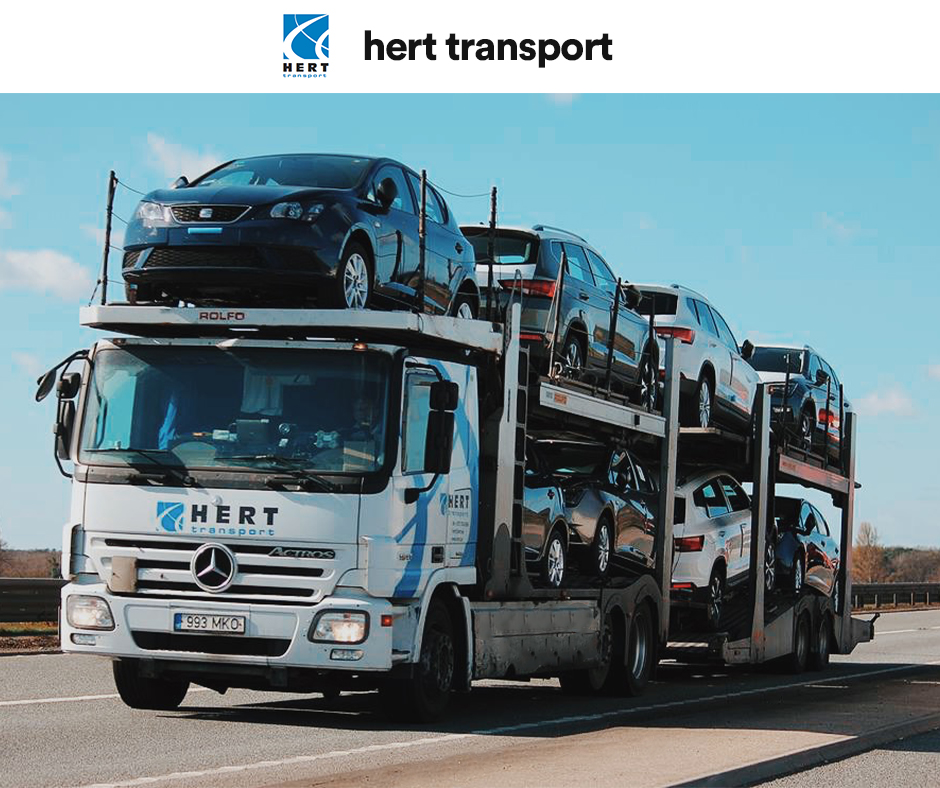
Hert can coordinate collection from auction depots and dealer premises. Consolidate multiple vehicles into one run to reduce per-vehicle transport cost.
Arranging Transport: What to Prepare
Book transport at the same time you confirm purchase, not after. Your transport provider needs: vehicle VIN, make and model, collection address with a contact name and phone number, delivery address, and whether the vehicle runs under its own power. If non-running, state this explicitly, as winch-loading capable transporters must be pre-assigned.
For auction vehicles: confirm the depot's collection window (typically 5–10 working days from purchase) and communicate this to your transport provider within 24 hours of purchase confirmation. Missing this window means daily storage fees and in some cases the vehicle is returned to auction.
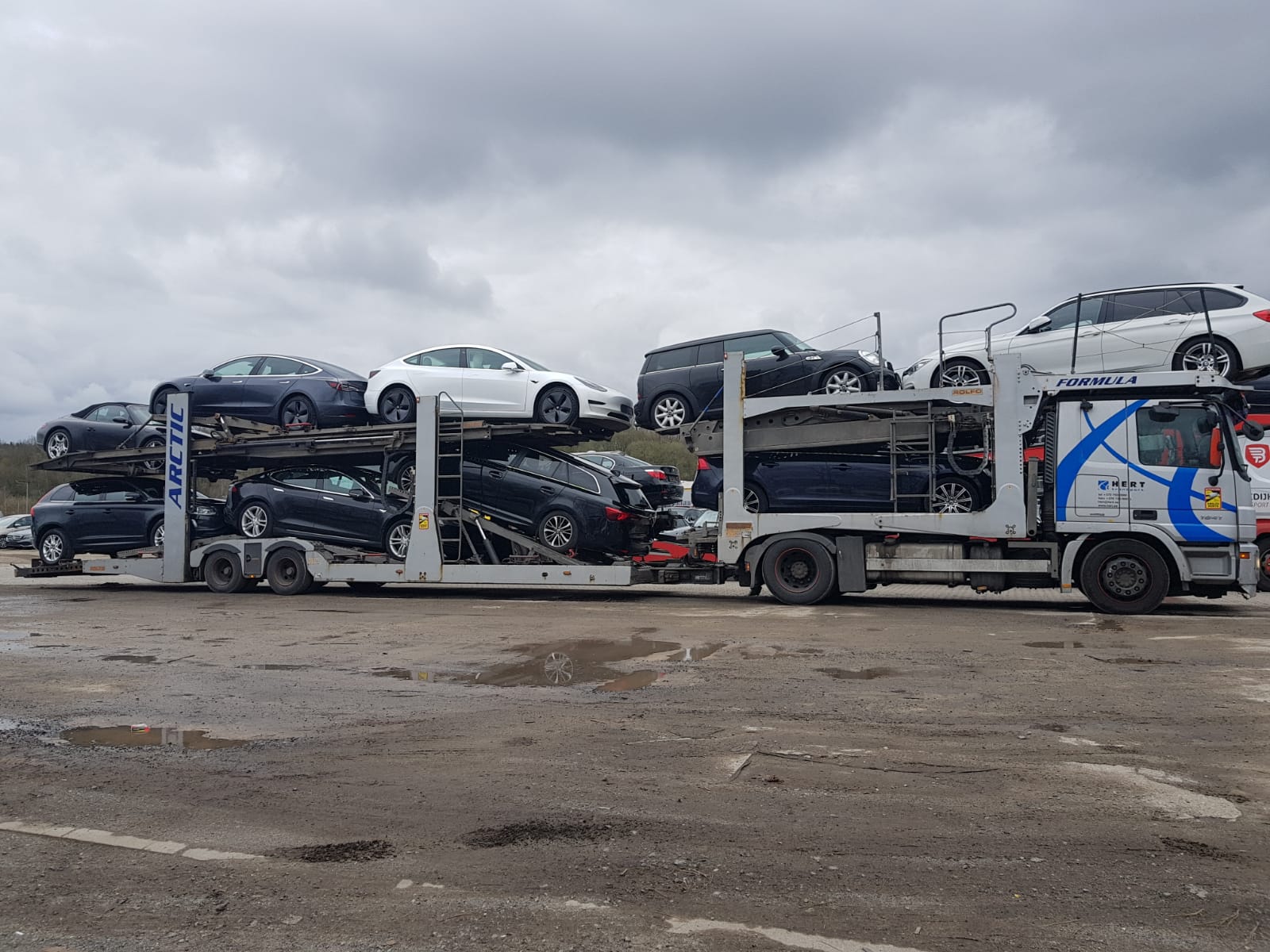
For multi-vehicle loads: if you're sourcing three or more vehicles from the same region in a short window, consolidating onto one carrier run is meaningfully cheaper per unit than separate bookings. Discuss load planning with your transport contact. Hert's operations team can often adjust departure timing to accommodate a small consolidation window.
The Collection and Handover Process
At a German auction depot, the driver presents collection authorisation, conducts a pre-transport condition check with photos, and takes the keys and a copy of the registration document. The CMR waybill is completed and signed at collection. Keep your copy; it is your legal record of the vehicle's pre-transport condition.
For private seller or dealer collections, the same process applies. The seller must be present with the original title document. If the seller is unavailable, rescheduling is the only option. The driver cannot collect without the condition report being signed.
Hert can arrange collection from auction depots and private sellers across Germany, Belgium, the Netherlands, and Sweden. If you're consolidating vehicles from multiple sellers in the same region, one planned collection run reduces cost per vehicle significantly. Contact us to plan a schedule before confirming your purchases.
What Can Go Wrong, and How to Protect Yourself
- Title issues post-purchase. A leasing company lien, outstanding finance, or stolen vehicle flag can surface after payment. VIN history checks and title verification before transfer are your only protection. In Germany, examine the Fahrzeugbrief carefully for any outstanding Zulassung complications.
- Transport damage not noted at delivery. If the vehicle arrives with damage not present at collection, mark it on the CMR at delivery before signing. Photograph everything at handover. The CMR gives you seven days to file a written protest for non-visible damage. After that window, claims become significantly harder to pursue.
- The insurance gap. CMR liability is capped at 8.33 SDR per kilogram, not the vehicle's market value. For a typical 1,500 kg vehicle, this is approximately €15,000–16,000 maximum. For vehicles above this threshold, discuss supplemental cargo insurance with your transport provider before booking.
- Home country registration. Most EU countries require a technical inspection for imported vehicles. Build one to two days for this into your timeline before the vehicle enters service.
Cross-border vehicle sourcing becomes straightforward once the paperwork process is repeatable. The key is building reliable supplier relationships in your source market for inspections and title verification, and a reliable transport partner who knows the collection logistics and the corridor. Contact Hert to discuss your next acquisition.